
The complete guide
Clay Pebbles Buyer's Guide, Choosing and Using Expanded Clay Growing Media
The problem with soil indoors
Soil works. It has worked for a very long time. But bring it inside and a few things start to grate.
It is heavy. A 20 cm pot of damp potting mix is a surprising weight to lift onto a shelf. It compacts, so after a few months the roots are pushing through something closer to a brick than a growing medium. It holds organic matter, which means it holds moisture at the surface, which means gnats. And when you water it, fine particles wash out of the drainage holes and stain whatever the pot is sitting on.
None of that is a disaster. It is just friction. And if you are growing herbs on a kitchen bench or leafy greens under a light in the spare room, that friction adds up.
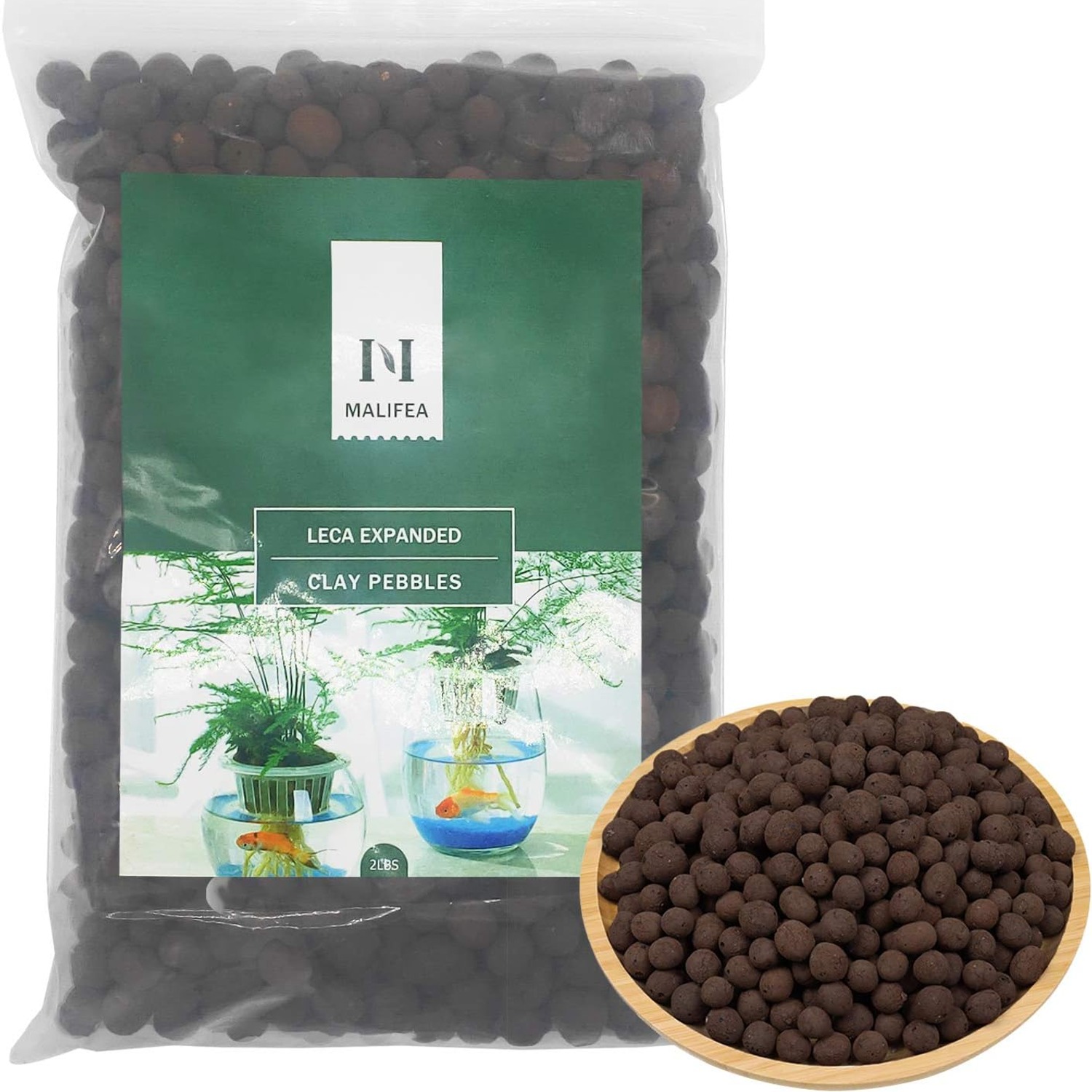
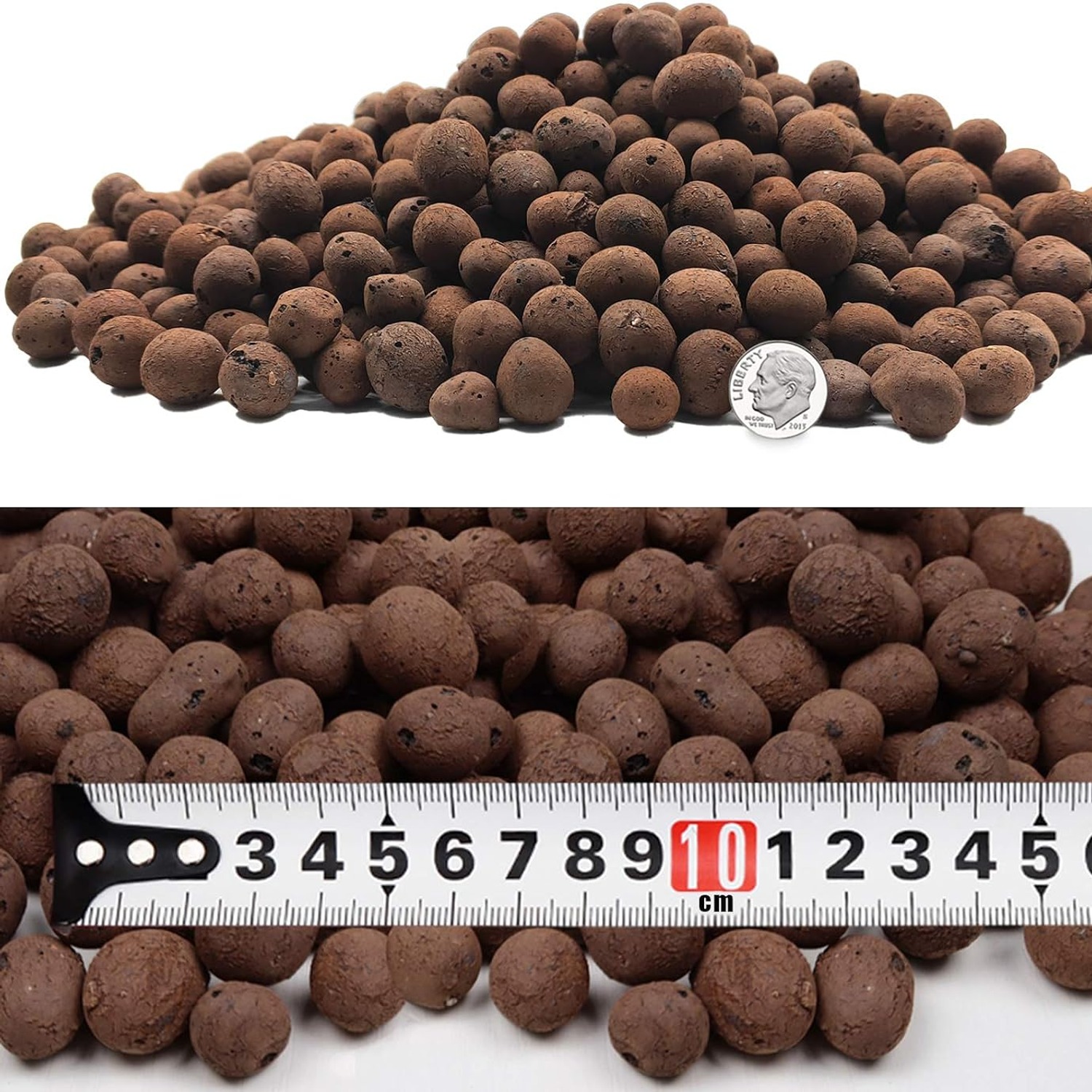
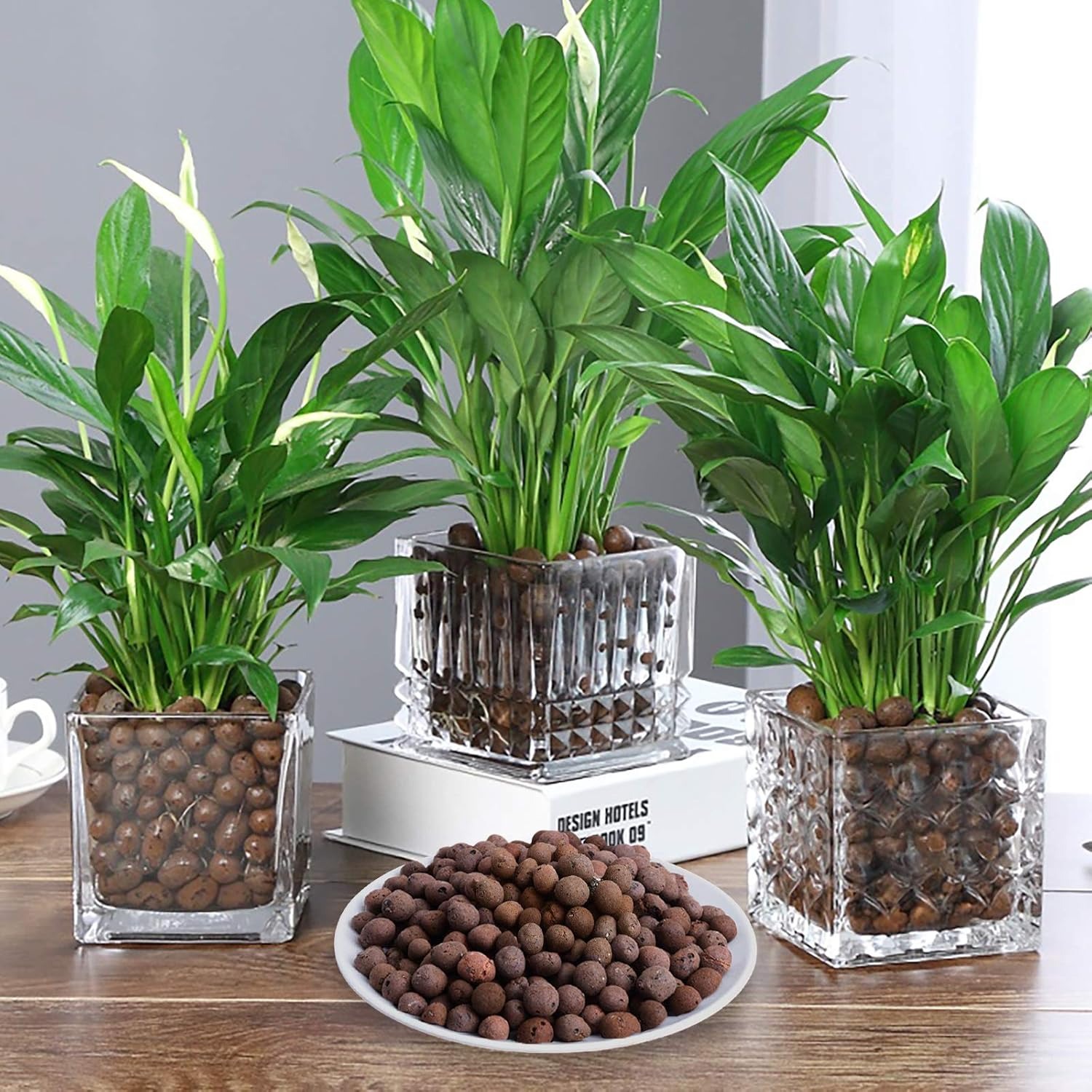
Expanded clay pebbles are one way around it. They are clay balls fired until they puff up, like popcorn made from rock. Each ball has a hard outer shell and a maze of air pockets inside. That gives you something light, something that drains, and something that will not turn to sludge in the bottom of a pot.
How expanded clay actually works
The useful part is the combination of two things that usually fight each other, water and air.
Roots need both. Too much water with no air and roots sit in stagnant conditions. Too much air with no water and the plant dries out between waterings. Soil balances this through its structure, but that structure degrades as the mix compacts.
Clay pebbles handle it differently. The pebbles themselves are porous, so they soak water into their interior and hold it there. The spaces between the pebbles stay open, because the balls are hard and do not squash down. So you get moisture inside the medium and air in the gaps, and that stays true whether the pot has been planted for a week or a season.
This bag contains pebbles between 6 mm and 18 mm. That mixed sizing is deliberate rather than a sign of poor sorting. Smaller pebbles settle into the gaps left by larger ones and carry more moisture per handful. Larger ones keep bigger air channels running through the pot. Together they give a medium that is neither too loose nor too tight for most home growing.
The other thing worth knowing is that expanded clay is inert and pH neutral. It does not feed the plant and it is not designed to push your water acidic or alkaline. If you are mixing a nutrient solution for basil or lettuce, that is exactly what you want. The medium holds the plant up and manages water. The feed does the feeding. Nothing unexpected in between.
Who this suits
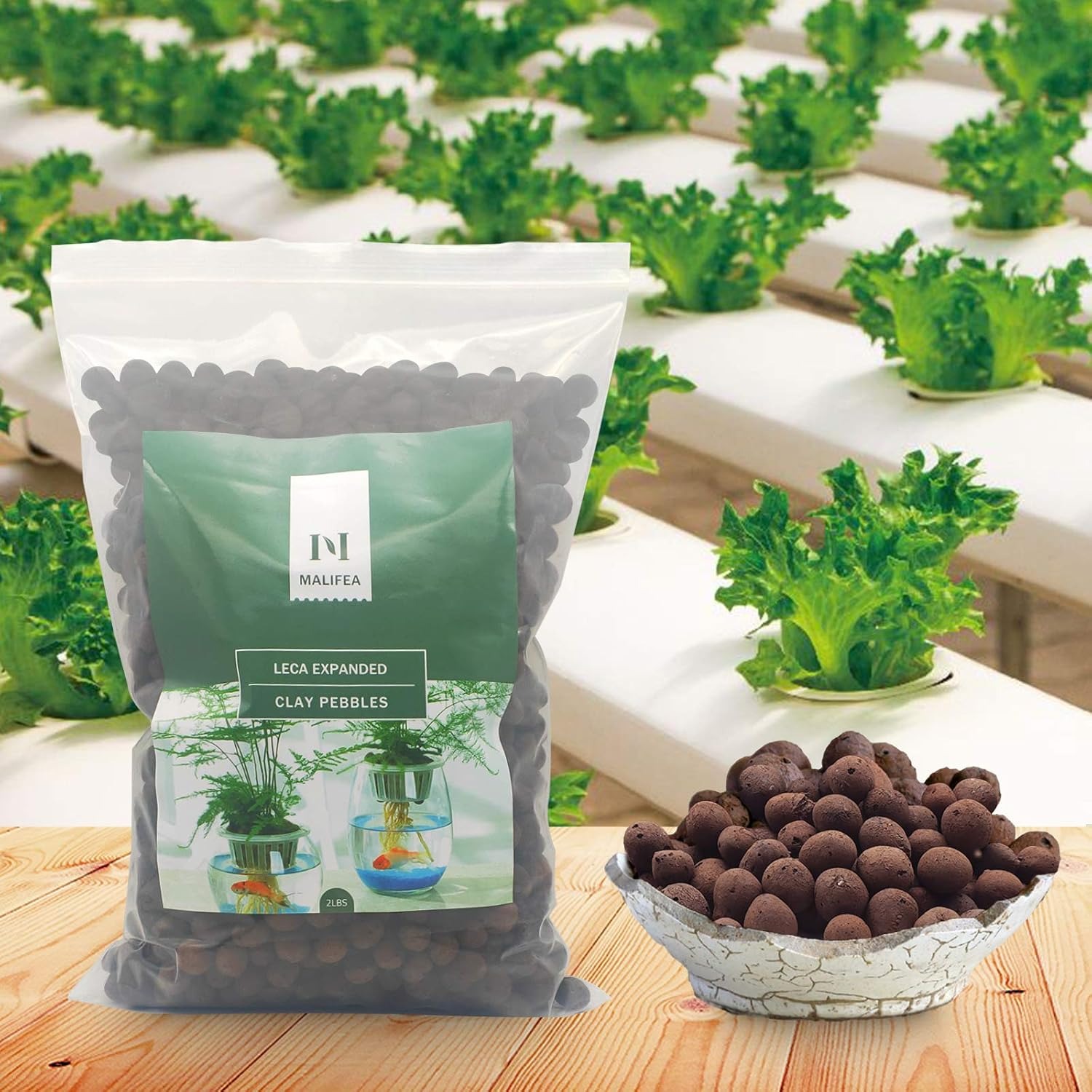
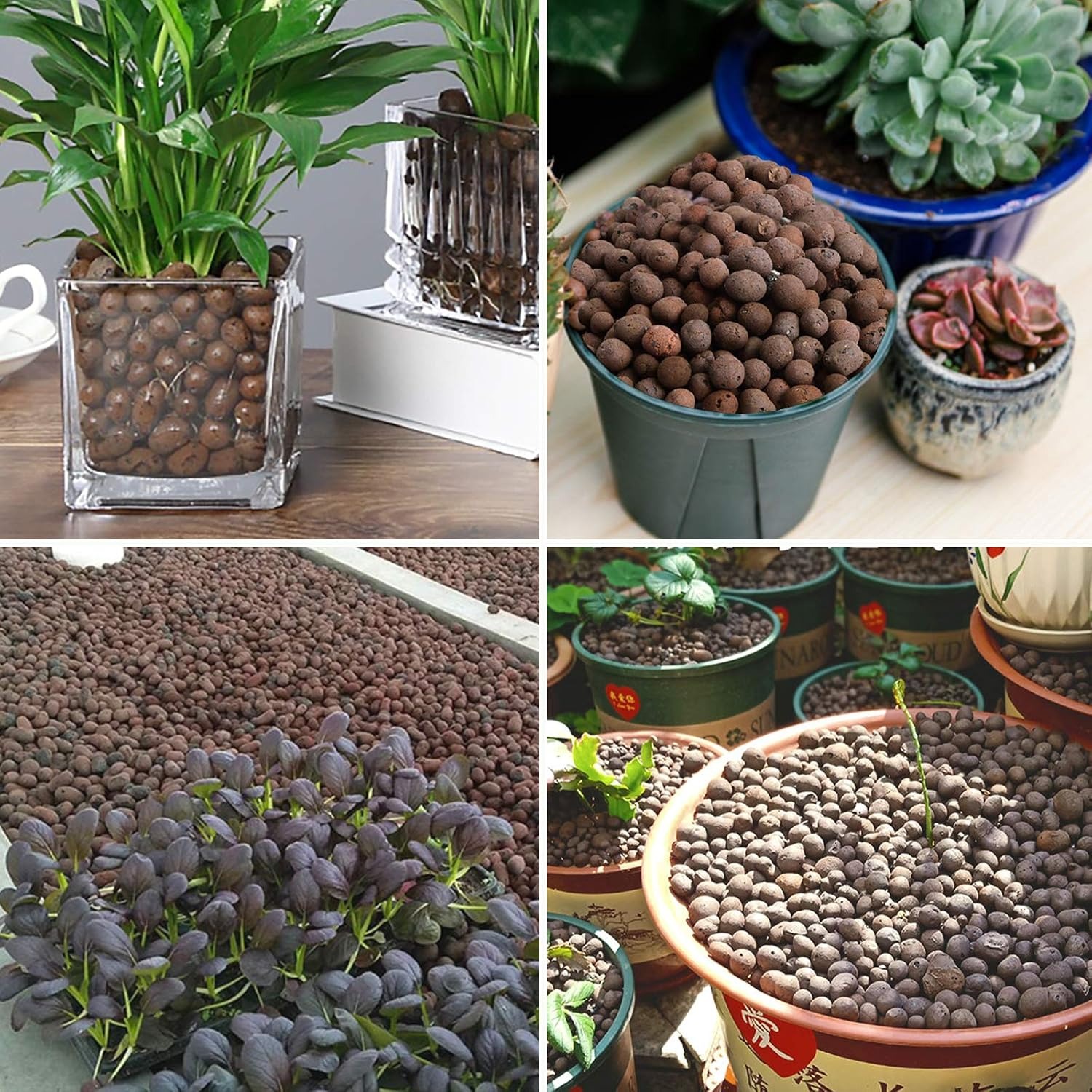
Home growers running herbs and leafy greens are the obvious fit. Basil, mint, coriander, parsley, lettuce, rocket, spinach. These are plants with modest root systems that do well in net cups and small containers, and clay pebbles are a natural match.
Houseplant people moving to semi hydro are the other big group. If you have been watching your pothos or monstera struggle in a dense mix, switching to clay balls in a pot with a water reservoir is a well trodden path. The roots adapt over a few weeks and you move from guessing when to water to simply topping up a level you can see.
There is a third group that just wants the practical bits. A drainage layer in a decorative pot with no hole. A top dressing to stop soil splashing up the leaves when you water. A humidity tray under a fussy plant. Clay pebbles do all of those jobs without any special knowledge.
Who it suits less well: anyone growing something that genuinely wants a rich organic root zone and does not want to deal with feeding. If you are happy with soil and your plants are happy too, there is no reason to change.
How to choose and how much to buy
Volume is the question people get wrong first. Weight is a confusing way to buy a bulky material, because expanded clay is light. This bag is 907 g, which sounds modest but goes further than the number suggests.
As a rough guide, one bag fills several small net cups comfortably, or gives you a drainage layer across a few medium pots, or fills one medium pot top to bottom. If you are setting up more than that, order two. Running out halfway through a repotting session is annoying, and having spare pebbles on hand means you can refresh a pot whenever you want.
Pebble size matters less than people expect for home use. The 6 to 18 mm range here covers small and medium containers well. Very large pebbles suit big outdoor planters where drainage is the priority. Very fine grades suit propagation. This middle range is the general purpose option, which is why it shows up in most starter hydroponic setups.
One more consideration. If you are using a pump system, think about mesh and filter sizes. The pebbles themselves will not pass through a net cup, but the dust that comes off a new bag can settle in lines. That brings us neatly to the one step people skip.
Rinse first, always
New expanded clay carries fine clay dust from manufacturing. It is not a flaw, it is just what happens when you fire and tumble clay.
Tip the pebbles into a colander or a bucket and run clean water through them, stirring with your hand, until the water comes out clear instead of cloudy. It takes a few minutes. Skip it and you will get a hazy reservoir, sediment in the bottom of your system and possibly some grit where you do not want grit.
Some growers soak the pebbles for a few hours afterwards so they go into the pot already saturated. That is optional but sensible, particularly in a passive setup where dry pebbles would otherwise pull water away from the roots while they fill up.
Looking after them between crops
This is where clay pebbles earn their keep. When a crop finishes, you do not throw the medium out.
Tip everything into a bucket. Pull out the old root mass by hand, then rinse the pebbles under running water until the runoff is clean. If there is stubborn material clinging on, a soak in plain water overnight loosens it. Rinse again, spread the pebbles out and let them dry fully before you bag them up.
Dry storage matters. Put damp pebbles in a sealed container and you will find something unpleasant growing on them next time you open it. A breathable bag or an open tub in a dry cupboard is fine.
Over time pebbles can pick up mineral deposits from your water and feed. A rinse handles most of it. Some growers soak in a dilute vinegar solution for stubborn build up, then rinse very thoroughly afterwards. Whether you bother depends on your water and how much you care about appearance.
A few honest limitations
Clay pebbles are not magic. They hold less water than soil per unit volume, so in a free draining pot with no reservoir you will be watering more often, not less. That is the trade off for all that air.
They also carry no nutrition. In soil, the mix itself provides something for the plant even if you forget to feed. In clay pebbles, if you forget to feed, the plant gets nothing. Set a reminder.
And they are not silent. Pour a bag into a metal pot and it sounds like a hailstorm. Minor, but it surprises people.
The short version
Expanded clay pebbles are fired clay balls that hold water inside and keep air moving between them. This bag has 907 g of pebbles sized 6 to 18 mm, which suits small and medium pots, net cups and container plants. They are light, inert and pH neutral, so they support the plant and stay out of the way of your feeding.
Rinse before first use. Feed consistently, because the medium gives nothing on its own. Wash and dry them between crops and put them straight back to work.
If you are growing herbs or leafy greens at home and the mess and weight of soil is wearing thin, this is a straightforward place to start.