TOP CUSTOMER REVIEW

I love these seed starting trays! Super easy to assemble, extremely durable, and a great price! My seeds sprouted at an incredible rate due to the ability to adjust air flow. These seed starting trays are perfect and lightweight! They definitely make starting a garden from seeds easier and more fun!

Valerie

Seed Starter Container | Seedling Grow Trays | Plant Starter Trays

Seedling Grow Trays That Boosts Germination & Survival Rates

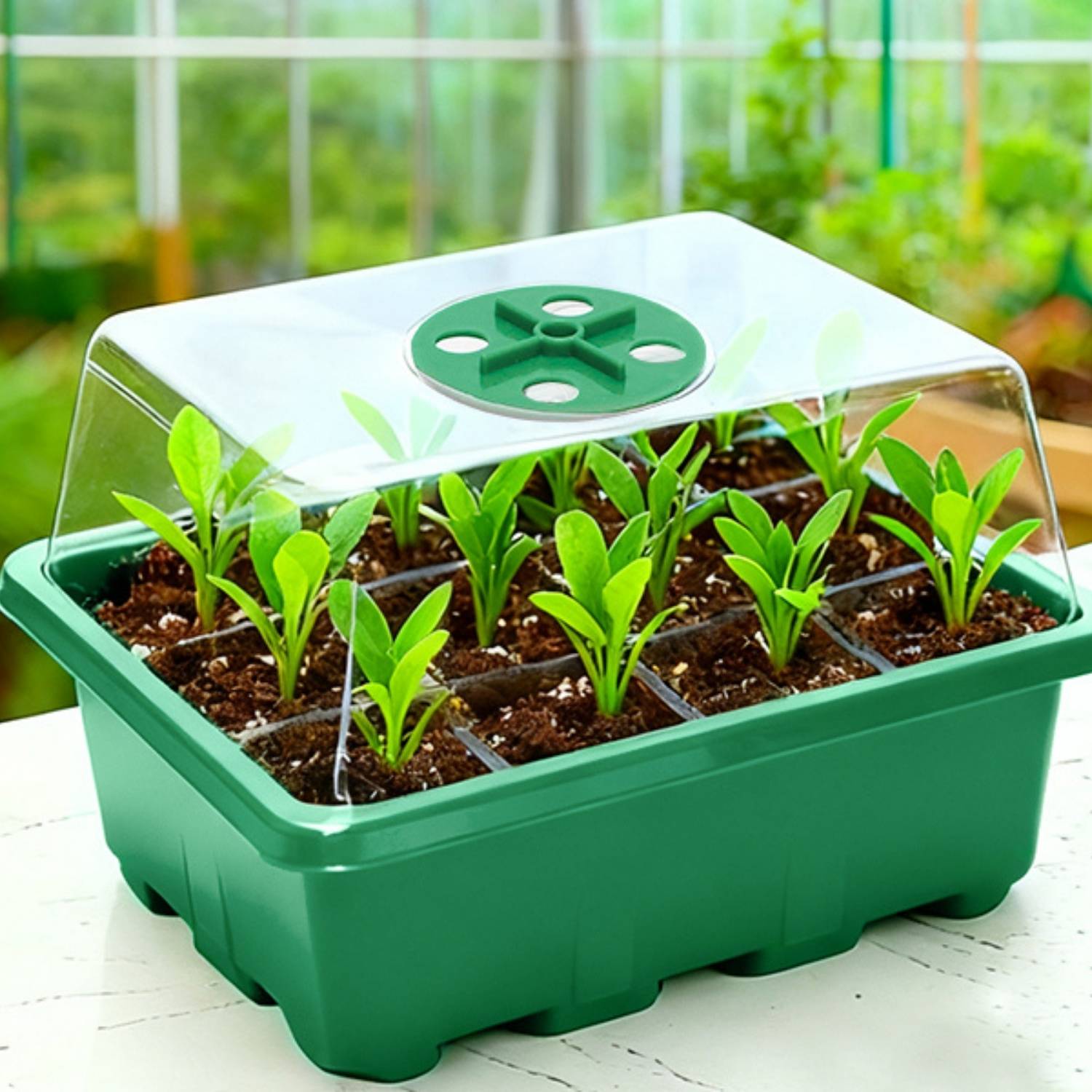
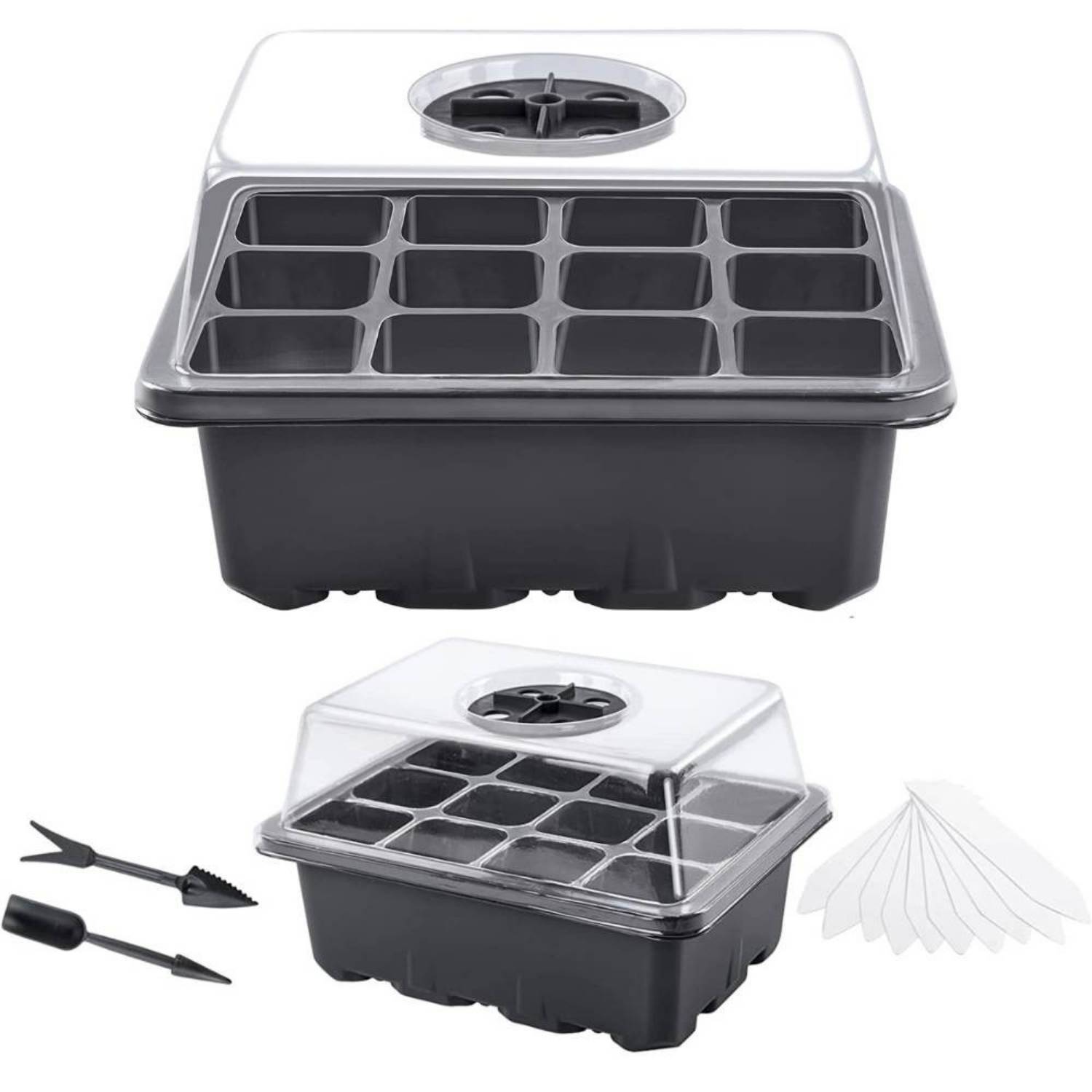
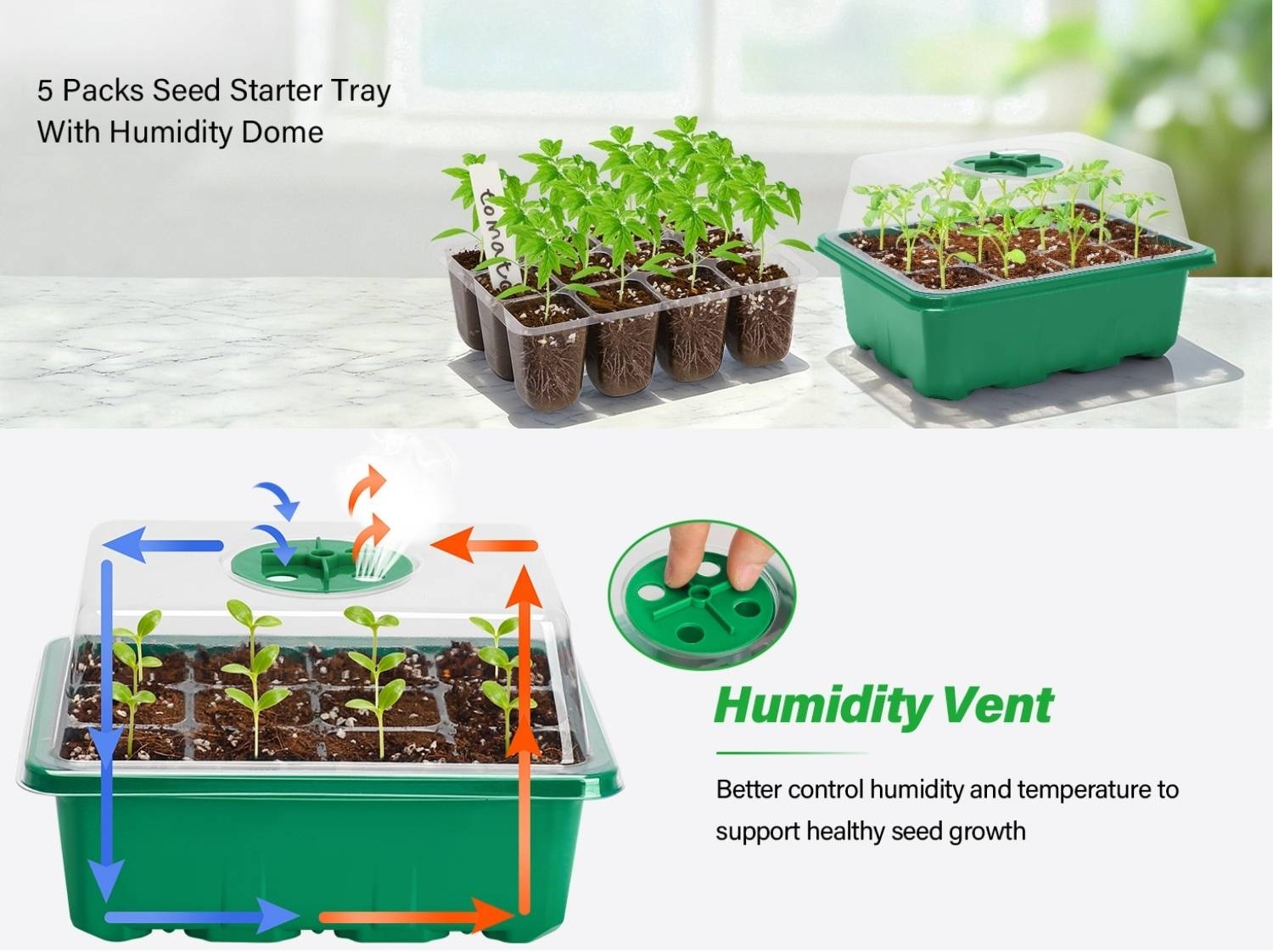
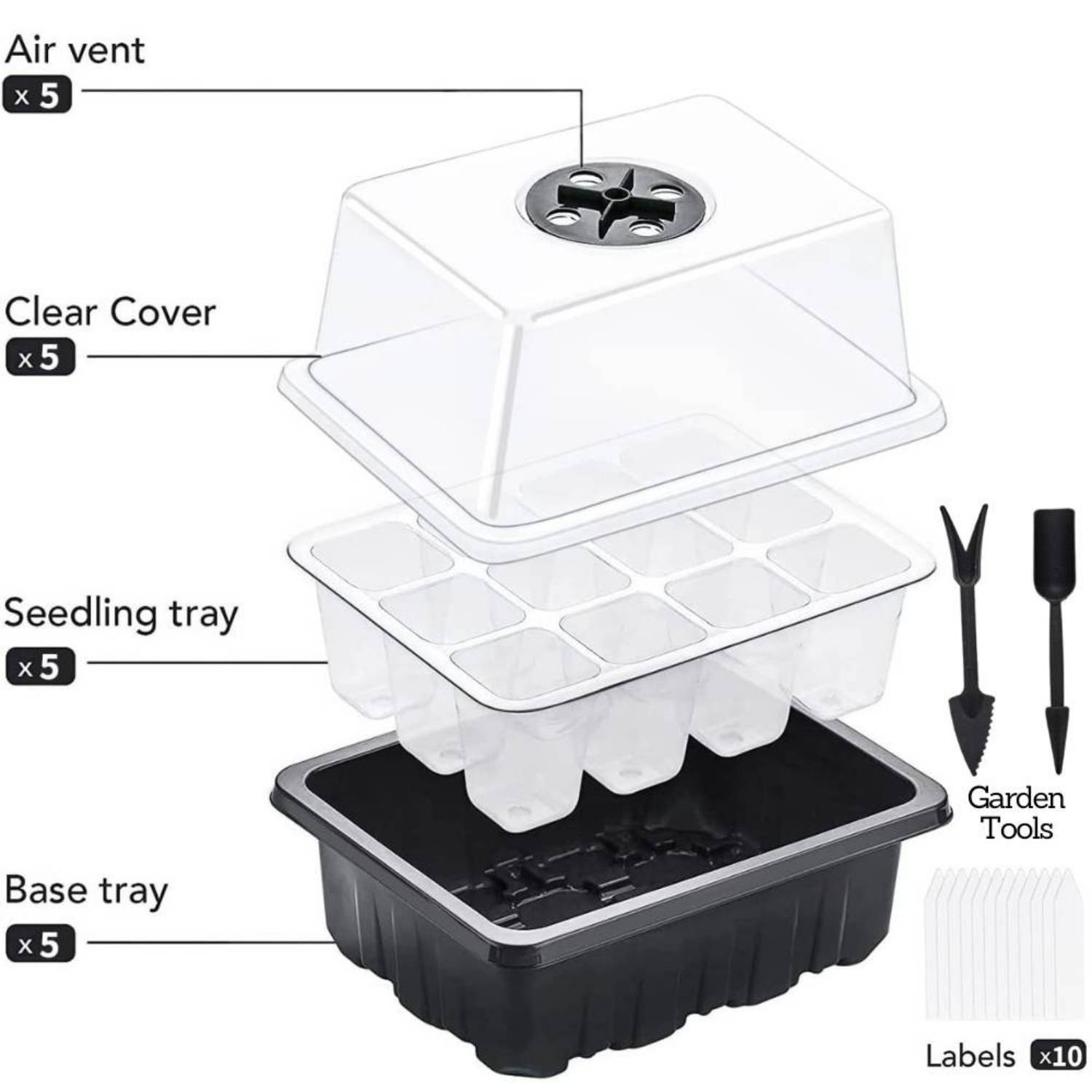
Pack of 5 reusable plant starter tray kits with humidity domes and drainage holes. Quality PVC seedling starting trays that create the perfect greenhouse environment. See seeds germinating in less than a day. Includes small gardening tools, a must have for every gardener

Sale!

Original price was: $88.00.Current price is: $77.00.

Pack of x5

all prices include GST

FREE DELIVERY ACROSS AUSTRALIA FOR ALL ORDERS $100+ or more - (SAVE $33)

This seed starter kits will help improve your seed germination and survival rate. Finally a humidity dome for seed starting is an easy thing for every gardener.
SPECIFICATIONS

best seedling trays for sale

best plant starter trays

best online company

DUE TO CURRENT DEMAND PLEASE ALLOW 5-7 DAYS DELIVERY
Direct To Your Door - All Across Australia

Original price was: $88.00.Current price is: $77.00.

Pack of x5

buy direct online
best seedling trays for sale
best seedling trays with dome
Z

Precision Climate Control

Control every aspect of your growing environment with adjustable air vents that fine-tune temperature and humidity levels. From warm-weather crops like peppers to cold-hardy lettuce, you’ll create exactly the conditions each seed variety needs for optimal germination and growth.
Z

Built-In Drainage Protection

Strategically placed drainage openings at the base of each cell eliminate standing water that damages tender root systems. This thoughtful engineering prevents common seedling killers like root rot and fungal disease, while ensuring your growing medium stays perfectly moist for vigorous development.
Z

Independent Growing Chambers

Each transparent cover transforms your seed tray into a dedicated mini-greenhouse. The clear construction lets essential light reach your seeds while locking in the warmth and humidity that accelerate germination and ensure consistent sprouting across all your plantings.
Z

Quality Construction for Years of Use

Forget about disposable trays that crack after one season. This professional-grade plastic construction handles the demands of serious gardening: repeated cleaning cycles, constant handling, and varying storage conditions. Sturdy enough to hold its shape when loaded with wet soil, yet light enough for effortless repositioning.
Z

Everything Included for Immediate Growing

Unpack and start planting right away with five individual seed trays featuring separated cells, five catch trays that manage overflow and keep surfaces clean, five adjustable humidity covers, and identification labels for organizing different plant varieties. This integrated system requires no additional components to begin growing successfully.
best self watering seedling tray
best self watering seed tray
best plant starter trays
best reusable seed starting trays
best seedling trays near me
best seedling trays with dome
best seed starter tray
best seedling trays with lids
best nursery seedling trays
best self watering seedling tray
best seed starting trays with dome

Frequently Asked Questions

australian hydroponics equipment company near me
  • WHAT CURRENCY ARE THE PRICES DISPLAYED IN?

    All of our prices are displayed in $AUD - Australian Dollars & include GST

  • DO I GET A RECEIPT FOR MY ORDER?

    You will be sent a receipt for your order by email after payment is made. You will also receive a confirmation email with a tracking number once your item has been shipped.

  • DO YOU HAVE A SHOP LOCATION?

    We are a “online supplier”, with no physical shop or premises. In this way, we are able to pass our considerable savings directly to you.

  • I HAVEN'T RECEIVED MY ORDER YET! IS IT LOST?

    If you have any concerns with your order, please contact our support team by email and they will be glad to assist you. Most emails are answered within 1 business day.

    Support Team: theteam@customersupport.care

  • HOW DO I KNOW IF MY ORDER HAS BEEN SHIPPED?

    Once your order is shipped, it will be marked as complete in our database and you will receive a confirmation email with a tracking number.

  • WHICH PAYMENT METHODS ARE ACCEPTED?

    We currently only accept credit card payments, PayPal & Crypto currency. More payment methods will be added in the future.

  • WHAT ARE YOUR DELIVERY OPTIONS AND HOW LONG WILL IT TAKE?
    • AUSTRALIA: Free delivery, 5-7 days
    • Other countries: Free delivery, 7-10 days

    OUR DELIVERY PARTNERS

    australian delivery partners

FAQ List

No FAQs found. Please select the appropriate Filtering options

Seed Starter Container: Your Essential Guide to Growing Healthier Plants From the Very Beginning

Have you watched your carefully planted seeds fail to sprout, only to wonder what went wrong? Perhaps you’ve tried starting plants in random containers from around the house, ending up with weak, spindly seedlings that barely survived the move to your garden. The truth is, successful seed starting isn’t about luck or natural talent. It’s about creating the right environment from day one, and that starts with choosing the proper seed starter container designed specifically for germination success.

Growing strong plants from seed requires more than just soil and water. Seeds need consistent moisture, appropriate warmth, adequate air circulation, and protection from temperature swings. Random jars, cups, or makeshift containers might hold soil, but they rarely provide the controlled conditions that seedling grow trays deliver. The difference between disappointing germination rates and consistent success often comes down to using purpose-built tools that understand what seeds actually need.

In this comprehensive guide, we’re exploring everything you need to know about plant starter trays and how they transform seed starting from frustrating guesswork into predictable results. Whether you’re growing vegetables to feed your family, flowers to beautify your space, or herbs for your kitchen, you’ll discover why experienced gardeners rely on quality seedling grow trays season after season. Let’s dig into what separates success from failure when starting seeds.

Understanding Seed Starter Containers: Purpose-Built for Germination

Before diving into specific features and techniques, let’s establish what makes a true seed starter container different from simply planting seeds in whatever’s available.

What Defines Quality Seedling Grow Trays

A proper plant starter tray system isn’t just a container filled with dirt. It’s an engineered solution designed to optimize every factor that affects germination and early growth. Quality seedling grow trays typically include three components working in harmony: individual compartments that organize and separate each plant, a sturdy base that manages drainage while providing stability, and a transparent cover that creates controlled humidity levels.

This integrated design addresses the fundamental requirements of successful seed starting. Seeds demand steady moisture without waterlogging, consistent warmth without overheating, oxygen access without drying out, and protection from environmental extremes. A coffee cup or yogurt container might hold growing medium, but it can’t optimize these critical factors the way dedicated plant starter trays can.

The Biology Behind Successful Germination

Understanding what happens when seeds germinate helps you appreciate why quality seed starter containers work so effectively. When a dormant seed absorbs moisture, it activates a complex biological process. The protective seed coat softens, dormant enzymes spring into action, and the embryonic plant begins converting stored nutrients into new growth.

This transformation requires precise conditions. Temperature governs the speed of biochemical reactions. Too cold and germination stalls or fails completely, too warm and essential proteins break down. Moisture must remain constant because seeds that dry out after germination begins typically die, while excessive water excludes oxygen and drowns developing roots. Light needs vary dramatically by species, with some seeds requiring darkness while others need light exposure to trigger germination.

Well-designed seedling grow trays create and maintain these conditions far more reliably than improvised alternatives. The humidity cover traps evaporating moisture, eliminating the need for constant watering that can displace seeds or compact growing medium. The separated compartments prevent root entanglement between plants, making eventual transplanting dramatically easier and less stressful for young seedlings.

Essential Features That Define Superior Plant Starter Trays

Not all seed starter containers deliver equivalent results. Specific design elements separate products that genuinely improve germination from those that merely hold soil.

Humidity Dome: Creating Your Personal Greenhouse

The transparent dome covering quality plant starter trays establishes a controlled microenvironment essential for consistent germination. This cover traps moisture evaporating from the growing medium surface, maintaining humid conditions that keep everything consistently moist without requiring multiple daily waterings.

This moisture regulation proves crucial for germination success. Seeds exposed to wildly fluctuating moisture levels perform poorly or fail completely. Wet after morning watering, progressively drier through the afternoon, then wet again the next morning creates stress that prevents reliable germination. The humidity dome eliminates these swings, delivering the steady moisture that seeds require.

Quality domes also transmit light while diffusing intense direct sun. This prevents the scorching that occurs when seed starter containers sit in bright light. The diffused illumination provides energy without the concentrated heat that can literally cook germinating seeds.

Drainage System: Preventing Waterlogged Disasters

Each individual cell in quality seedling grow trays features drainage openings at the bottom. These holes might appear insignificant, but they prevent probably the single most common cause of seed starting failure: saturated soil that drowns seeds and seedlings.

Seeds and emerging seedlings need both moisture and oxygen. Growing medium that stays waterlogged excludes oxygen, causing seed rot or triggering damping-off disease in young plants. Proper drainage allows excess moisture to escape while retaining sufficient water in the medium.

The base component catches this drainage, protecting surfaces from water damage while letting you monitor moisture conditions. When you water plant starter trays from above, excess drains into the base. You can discard this runoff or allow gradual reabsorption, depending on your watering approach.

Individual Cell Design: The Transplanting Game-Changer

Separated compartments in seed starter containers deliver advantages throughout the entire seed-to-garden journey. During germination, divisions prevent vigorous seedlings from overshadowing weaker neighbors. As plants grow, the separations prevent root systems from intertwining into an impossible tangle.

This separation becomes absolutely critical at transplanting time. Seedlings grown in shared containers develop interconnected roots. Separating them for transplanting inevitably tears roots, causing severe transplant shock that stunts growth or kills plants completely.

With individual cells in seedling grow trays, you simply remove each root ball intact. The complete root system transfers undisturbed to its permanent location. Plants experience minimal shock and establish quickly in their new homes.

Construction Quality and Longevity

The materials used in plant starter trays affect both immediate performance and long-term value. Quality plastics resist cracking, warping, and deterioration from UV exposure and repeated cleaning cycles.

Cheaper seed starter containers made from thin, brittle materials might survive one or two seasons but crack with handling, warp from temperature changes, or become brittle after sun exposure. Quality construction means reusing your seedling grow trays year after year, season after season.

Durability also impacts daily functionality. Flexible, flimsy containers are nightmares to move when filled with wet growing medium. They bend and flex, potentially spilling cells or damaging fragile seedlings. Rigid construction lets you confidently relocate plant starter trays as needed without disasters.

Types of Seeds That Thrive in Seed Starter Containers

While virtually any seed can start in proper containers, certain categories particularly benefit from this controlled environment.

Vegetable Seeds: Extending Your Growing Season

Vegetables represent the classic use case for seedling grow trays. Starting vegetables indoors extends your effective growing season substantially, letting you transplant established seedlings rather than waiting for outdoor soil to warm sufficiently for direct seeding.

Warm-season crops like tomatoes, peppers, and eggplants especially benefit from early starting in plant starter trays. These vegetables need extended growing periods to produce well, and starting them indoors six to eight weeks before your final frost date means harvesting ripe produce weeks earlier than neighbors who direct seed outdoors.

Cool-season vegetables including broccoli, cabbage, and cauliflower also excel when started in seed starter containers. You can begin these indoors during late winter, hardening them gradually and transplanting into gardens in early spring for harvests before summer heat arrives.

Flower Seeds: Affordable Beauty in Abundance

Annual flowers started from seed in seedling grow trays provide dramatically more plants for your investment than purchasing established transplants. A single seed packet of zinnias or marigolds can fill entire borders when started properly in containers.

Some flowers produce tiny seeds that perform terribly when sown directly outdoors. Petunias, begonias, and impatiens create seeds almost microscopic in size. Starting these in the protected environment of plant starter trays ensures they don’t wash away, get buried excessively deep, or dry out before germination occurs.

Herb Seeds: Fresh Flavors Throughout the Year

Culinary herbs started in quality seed starter containers deliver fresh flavors year-round. Basil, cilantro, parsley, and other annual herbs grow beautifully from seed when given appropriate starting conditions.

Perennial herbs like oregano, thyme, and sage can also begin life in seedling grow trays before moving to permanent locations or larger containers. The controlled environment helps these often slow-germinating seeds establish reliably.

Complete Guide to Using Seedling Grow Trays Successfully

Success with plant starter trays comes from following proven methods that optimize conditions for germination and vigorous early growth.

Choosing the Proper Growing Medium

The material filling your seed starter container profoundly impacts germination results. However, regular garden soil represents absolutely the wrong choice for seed starting purposes.

Garden soil harbors weed seeds, disease organisms, and various insects that can devastate seedlings. It also compacts badly when kept moist in containers, reducing oxygen availability and making penetration difficult for delicate emerging roots.

Seed starting mix, a sterile blend typically containing peat moss or coconut coir, vermiculite, and perlite, provides ideal conditions. This specialized medium retains moisture while draining excess water, stays loose and friable for easy root penetration, and contains no disease organisms or weed seeds.

Pre-Moistening Your Growing Medium

Dry seed starting mix initially repels water, making even moisture distribution difficult after filling your seedling grow trays. Pre-moistening solves this problem and ensures uniform moisture from the beginning.

Place your seed starting mix in a large bucket and add warm water gradually while mixing thoroughly. You’re targeting the consistency of a wrung-out sponge: moist throughout but not dripping wet. This pre-moistened medium fills plant starter trays easily and provides immediate moisture to planted seeds.

Filling and Planting Your Seed Starter Container

Fill each compartment of your seedling grow trays with pre-moistened growing medium, pressing gently to eliminate major air pockets while avoiding compaction. Fill cells nearly full, leaving just a small gap to prevent spillover when watering.

Create a shallow depression in each cell using your finger or a small dibber. Planting depth varies by seed size. The standard guideline suggests planting seeds at a depth approximately two to three times their diameter. Tiny seeds like lettuce barely go below the surface, while larger seeds like beans or squash plant deeper.

Place one or two seeds per cell in your plant starter trays. Using two provides insurance: if both germinate, you can remove the weaker seedling, leaving the strongest to develop. This insurance strategy costs a few extra seeds but dramatically improves success rates with expensive or slow-germinating varieties.

Establishing Optimal Germination Conditions

After planting, position the transparent dome over your seed starter container to create that essential humid microclimate. Place the covered seedling grow trays in a location with appropriate temperature and light for your specific seeds.

Most vegetable and flower seeds germinate optimally at temperatures between 18-24°C (65-75°F). Some gardeners use heating mats designed specifically for plant starter trays to maintain ideal temperatures, particularly when starting seeds in cool spaces or during winter.

Light requirements vary substantially by seed type. Many seeds germinate equally well in light or darkness, but some have absolute requirements. Check seed packets for specific guidance. Once seedlings emerge, however, virtually all plants need strong light for proper growth.

Monitoring and Managing Moisture Levels

The humidity dome dramatically reduces watering frequency, but you still need to monitor conditions regularly. Lift the dome daily to check moisture and provide air exchange that prevents fungal issues.

The growing medium should remain consistently moist but never waterlogged. If the surface begins drying, mist gently with a spray bottle or water carefully from below by adding water to the base tray and allowing upward absorption through drainage holes.

Bottom watering, adding water to the base of seedling grow trays, often works better than overhead watering, particularly for very small seeds. Top watering can wash away seeds or create uneven moisture, while bottom watering provides even distribution throughout the medium.

Caring for Seedlings After Germination in Plant Starter Trays

Once seeds germinate, your seed starter container transitions from germination chamber to seedling nursery. This phase requires adjusted care to produce strong, robust plants ready for transplanting.

Light Requirements for Vigorous Development

Seedlings need substantially more light than germinating seeds. Without adequate illumination, seedlings become leggy: tall, thin, and weak as they stretch desperately toward any available light source.

A sunny windowsill might seem adequate, but it rarely provides sufficient light intensity for stocky, vigorous growth. Even south-facing windows in winter don’t deliver the light duration and intensity seedlings require.

Supplemental lighting solves this problem. Inexpensive shop lights or specialized grow lights positioned several inches above your seedling grow trays provide the strong illumination that produces compact, robust plants. Run these lights 14-16 hours daily for optimal results.

Temperature and Air Circulation Management

Once seedlings emerge in your plant starter trays, you can gradually reduce humidity by venting the dome slightly or removing it completely. Most seedlings prefer slightly cooler temperatures after germination than during the germination phase.

Air circulation becomes important at this stage. Gentle air movement from a small fan strengthens stems and reduces likelihood of damping-off disease, a fungal problem causing seedlings to suddenly collapse and die.

Fertilizing Young Plants in Seed Starter Containers

Seed starting mix contains minimal to no nutrients. Seeds carry sufficient stored energy to germinate and produce initial leaves, but after that, seedlings need supplemental nutrition.

Once seedlings in your seedling grow trays develop their first true leaves (the leaves appearing after initial seed leaves), begin fertilizing with dilute liquid fertilizer. Use a complete fertilizer at quarter strength weekly, or half strength every two weeks.

Troubleshooting Common Problems with Plant Starter Trays

Even with quality seed starter containers and proper techniques, occasional problems arise. Understanding common issues and their solutions keeps your seed starting on track.

Poor or Sporadic Germination

If seeds fail to germinate or germinate unevenly in your seedling grow trays, several factors might be responsible. Old seeds lose viability over time. Check germination dates on packets and avoid using seeds more than a year or two old unless you know they remain viable.

Temperature affects germination dramatically. Seeds planted when conditions are too cool might sit dormant or rot before germinating. Conversely, excessive heat can prevent germination or kill germinating seeds. Verify you’re providing appropriate temperatures for your specific seeds.

Planting depth matters more than many gardeners realize. Seeds buried too deeply exhaust stored energy before reaching the surface. Seeds planted too shallow may dry out before establishing roots. Follow packet directions for proper depth in your plant starter trays.

Damping-Off Disease in Seedling Grow Trays

Damping-off causes seedlings to suddenly collapse and die, often affecting multiple plants in your seed starter container. This fungal disease thrives in excessively wet, poorly ventilated conditions.

Prevention proves easier than cure. Use sterile seed starting mix rather than garden soil. Provide good air circulation with a small fan. Avoid overwatering: keep medium moist but not saturated. Remove the humidity dome once seedlings emerge to reduce humidity levels.

If damping-off appears, remove affected seedlings immediately to prevent spread. Improve air circulation and reduce watering frequency for remaining plants in your plant starter trays.

Leggy, Weak Seedlings

Tall, spindly seedlings with weak stems in your seedling grow trays indicate insufficient light. These leggy plants rarely develop into strong, productive garden plants even if you eventually provide better lighting.

Prevention requires providing adequate light from the moment seedlings emerge. Position lights close to seedlings, just several inches above growing tips. Raise lights as plants grow to maintain proper distance.

If seedlings become leggy before you can improve lighting, you might salvage some by carefully transplanting them deeper than they grew in your seed starter container. This buries part of the stretched stem, potentially allowing stronger root development.

Transplanting Seedlings: Moving From Plant Starter Trays to Garden

All your careful work with seed starter containers culminates in successfully moving seedlings to their permanent growing locations.

Hardening Off: The Essential Transition

Seedlings grown in the protected environment of seedling grow trays aren’t immediately ready for outdoor garden conditions. The transition from indoor protection to outdoor exposure must happen gradually through a process called hardening off.

Begin hardening off approximately one week before your planned transplant date. Move your plant starter trays outdoors to a sheltered location for an hour or two initially. Gradually increase outdoor exposure over the following week, introducing progressively more sun and wind.

This gradual acclimatization allows seedlings to develop stronger stems, thicker leaf cuticles, and more robust root systems capable of handling outdoor conditions. Seedlings transplanted without hardening off often suffer severe shock, wilting badly or dying when exposed to full sun and wind.

The Transplanting Process

When seedlings are hardened off and weather conditions are appropriate, transplant into prepared beds or larger containers. Water your seed starter container thoroughly several hours before transplanting. Moist growing medium holds together better when removing seedlings from cells.

Dig planting holes before removing seedlings from your seedling grow trays. Make holes slightly larger than the root balls you’ll be transplanting. Water holes before planting if soil is dry.

Gently remove each seedling from its cell by pushing up from the drainage hole or carefully squeezing the cell. The root ball should release intact from quality plant starter trays. Plant immediately at the same depth the seedling grew, with exceptions for tomatoes and certain other plants that benefit from deeper planting.

Post-Transplant Care

Newly transplanted seedlings from your seed starter container need attentive care for the first week or two as they establish in new locations. Water gently but thoroughly after planting to settle soil around roots and eliminate air pockets.

Provide temporary shade for the first several days if transplanting into sunny locations. Even hardened-off seedlings appreciate protection from intense midday sun immediately after transplanting.

Monitor moisture carefully during establishment. Seedlings have limited root systems initially and can’t access moisture from deep soil layers. Keep soil consistently moist until you observe new growth indicating successful establishment.

Maintaining and Reusing Your Seedling Grow Trays

Quality plant starter trays represent an investment in your gardening success. Proper maintenance ensures years of reliable service from these valuable tools.

Cleaning Between Growing Cycles

After transplanting seedlings, thoroughly clean your seed starter container before storage or reuse. This cleaning eliminates disease organisms that could affect future plantings.

Remove all growing medium from cells and trays. Scrub with warm water and dish soap, using a brush to clean stubborn soil from corners and drainage holes. Rinse thoroughly to remove all soap residue.

For additional disease prevention, soak cleaned seedling grow trays in a solution of one part household bleach to nine parts water for ten minutes. Rinse extremely thoroughly after bleach treatment and allow complete drying before storage or reuse.

Proper Storage for Longevity

Store clean, dry plant starter trays in a location protected from direct sun and temperature extremes. UV exposure makes plastic brittle over time, while extreme heat can cause warping.

Stack seed starter containers carefully to prevent crushing or distorting cells. Store humidity domes separately or nested loosely to avoid scratching the clear plastic that allows light transmission.

Making Your Seed Starting Decision

After exploring every aspect of plant starter trays and their use, how do you decide if investing in quality seedling grow trays makes sense for your gardening?

These tools deliver maximum value when you regularly start seeds, whether growing vegetables, propagating flowers, or cultivating herbs. The improved germination rates, healthier seedlings, and easier transplanting justify the investment when seed starting is a regular part of your gardening routine.

They’re particularly valuable if you’ve struggled with seed starting using improvised methods. The controlled environment that proper seed starter containers create transforms frustrating failures into reliable success. For gardeners who’ve wasted money on seeds that didn’t germinate or seedlings that died before transplanting, quality seedling grow trays eliminate these problems.

Even occasional gardeners benefit from durable, reusable plant starter trays. They store compactly and last for years when properly maintained. Starting seeds successfully once or twice annually still delivers value from tools designed for repeated use.

Consider your specific growing goals. If you want varieties unavailable as transplants at local nurseries, starting from seed in quality seed starter containers becomes necessary. If you garden on a budget and want many plants inexpensively, starting from seed costs pennies compared to buying established transplants. If you simply enjoy nurturing plants from seed to harvest, quality tools make that process more successful and enjoyable.

Conclusion: Investing in Growing Success

The difference between gardening success and frustration often comes down to having the right tools for critical tasks. Starting seeds represents one of those critical tasks where proper equipment dramatically affects outcomes.

A quality seed starter container isn’t an extravagance or luxury item. It’s a fundamental tool that transforms seed germination from unpredictable to reliable. The humidity control maintaining consistent moisture, the drainage preventing waterlogging, the individual cells making transplanting stress-free: these features work together creating optimal conditions that improvised alternatives simply can’t match.

Whether you’re growing tomatoes for summer meals, starting flowers to beautify your landscape, or propagating herbs for year-round cooking, the controlled environment of proper seedling grow trays gives your plants the best possible beginning. Those strong, healthy seedlings establish quickly when transplanted, grow vigorously, and produce abundantly.

Successful gardening isn’t about luck or mysterious green thumbs. It’s about understanding what plants need and providing those conditions consistently. Plant starter trays represent that understanding translated into practical tools that work season after season, delivering the healthy seedlings that make great gardens possible. When you see seeds germinating within days, seedlings growing strong and stocky, and transplants establishing quickly in the garden, you’ll understand why serious gardeners consider quality seed starter containers essential rather than optional.

Your garden’s success begins long before you harvest that first tomato or cut those first flowers. It begins the moment you plant seeds in an environment designed for their success. Give your seeds that advantage with proper seedling grow trays, and watch how dramatically your gardening results improve.