Complete newcomers to hydroponics, we were a bit overtaken by its success. We grew lettuce, capsicum, tomatoes and cucumber. All the plants did well

Hydroponics Growing System | Hydroponics Kit | Hydro Kits

This hydroponic growing system is extremely simple to assemble & use. Great for beginners, no experience required

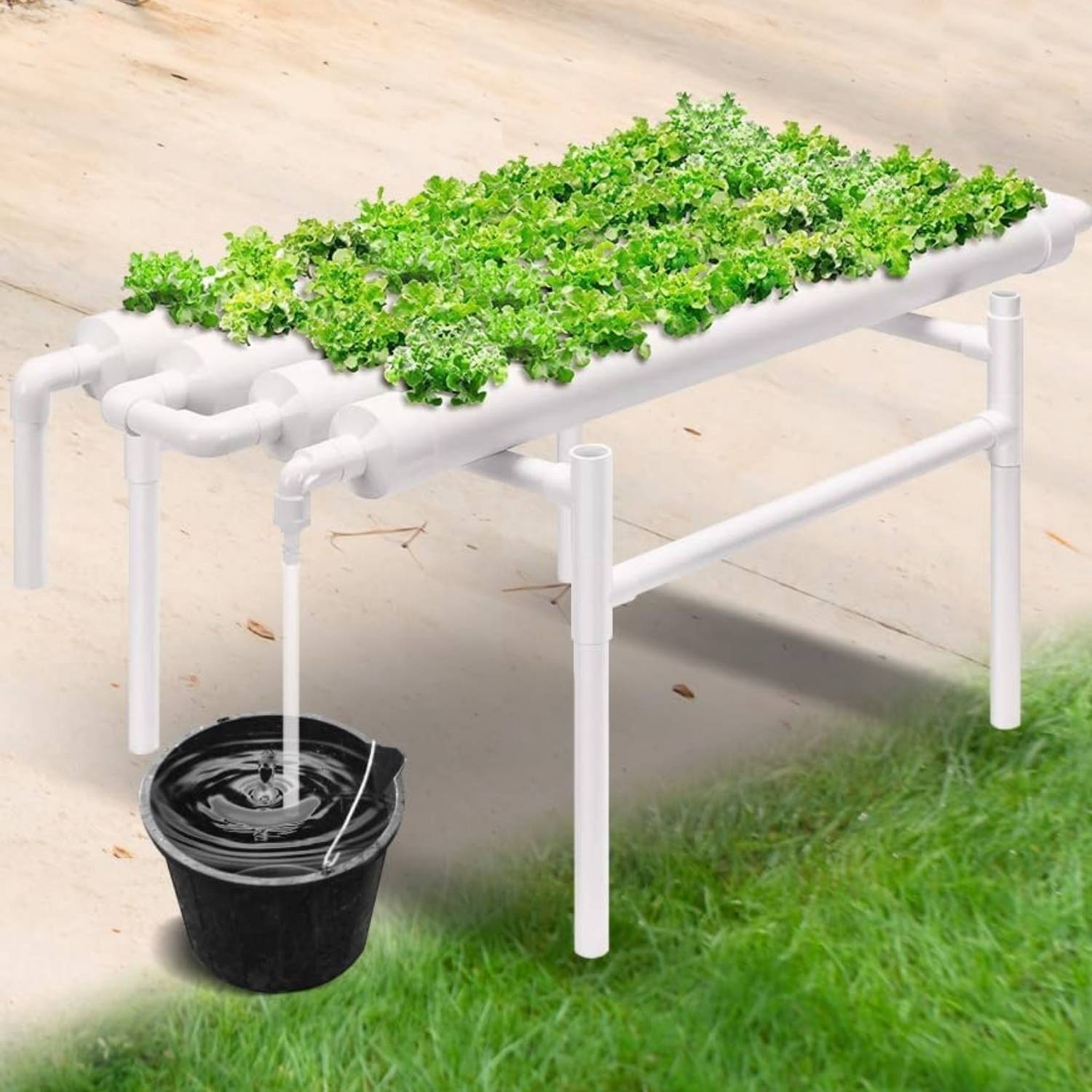
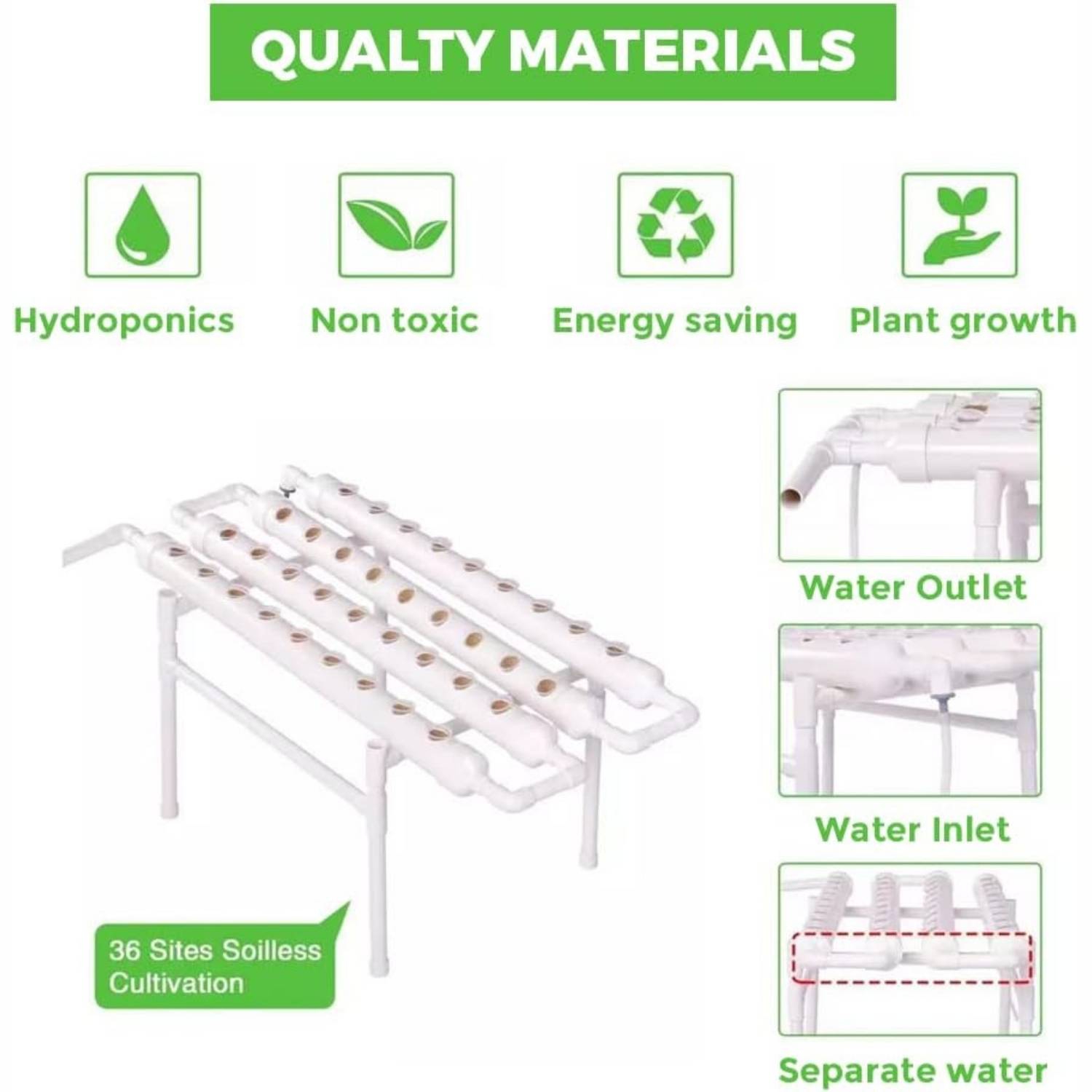
Quick & Easy To Set Up. The complete package features 36 growing positions, an integrated water circulation pump, and all essential hardware for immediate setup.
Sale!

Original price was: $220.00.Current price is: $198.00.

all prices include GST

FREE DELIVERY ACROSS AUSTRALIA FOR ALL ORDERS $100+ or more - (SAVE $33)

The stackable configuration maximizes growing capacity while minimizing footprint, making it perfect for apartments, patios, or any indoor space where floor area is limited. Grow more in less space.
SPECIFICATIONS

best hydroponic system

COMES COMPLETE WITH

best hydroponics kit

best online company

DUE TO CURRENT DEMAND PLEASE ALLOW 5-7 DAYS DELIVERY
Direct To Your Door - All Across Australia

Original price was: $220.00.Current price is: $198.00.

buy direct online
best hydroponic system
best hydroponic store
Z

All-in-One Hydroponic Growing Kit

This comprehensive home gardening system provides everything needed to start your indoor vegetable garden. The complete package features 36 growing positions, an integrated water circulation pump, and all essential hardware for immediate setup.
Z

Accelerated Plant Development

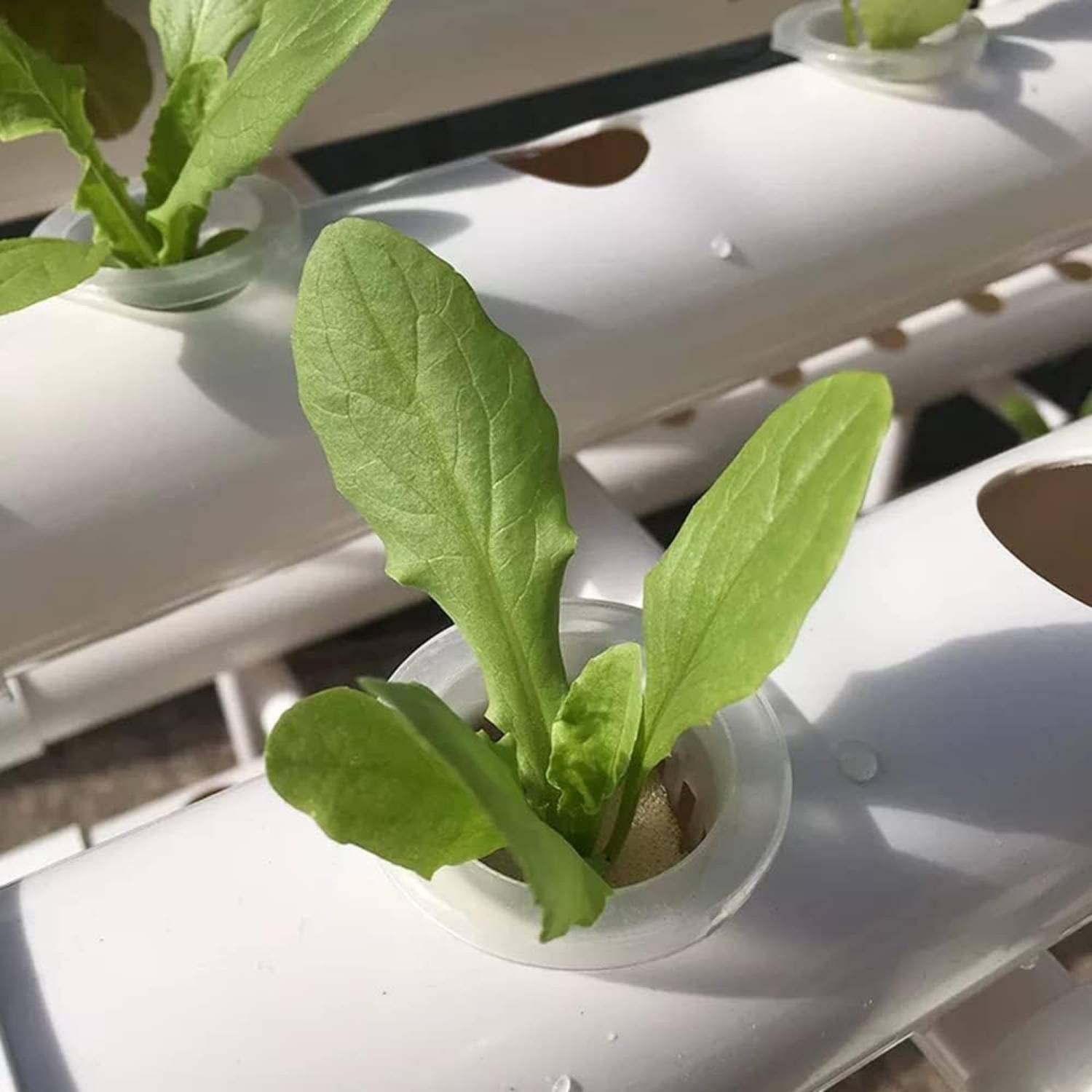
Plants thrive in the soil-free, nutrient-enriched water environment, leading to significantly faster growth rates and improved plant health. This results in more abundant harvests and superior produce quality compared to traditional gardening methods.
Z

Compact, Vertical Design

The stackable configuration maximizes growing capacity while minimizing footprint, making it perfect for apartments, patios, or any indoor space where floor area is limited. Grow more in less space.
Z

User-Friendly Operation

Installation and upkeep are straightforward and hassle-free. The built-in pump maintains consistent nutrient circulation, while the thoughtfully engineered system simplifies both watering routines and drainage management.
Z

Flexible Growing Options

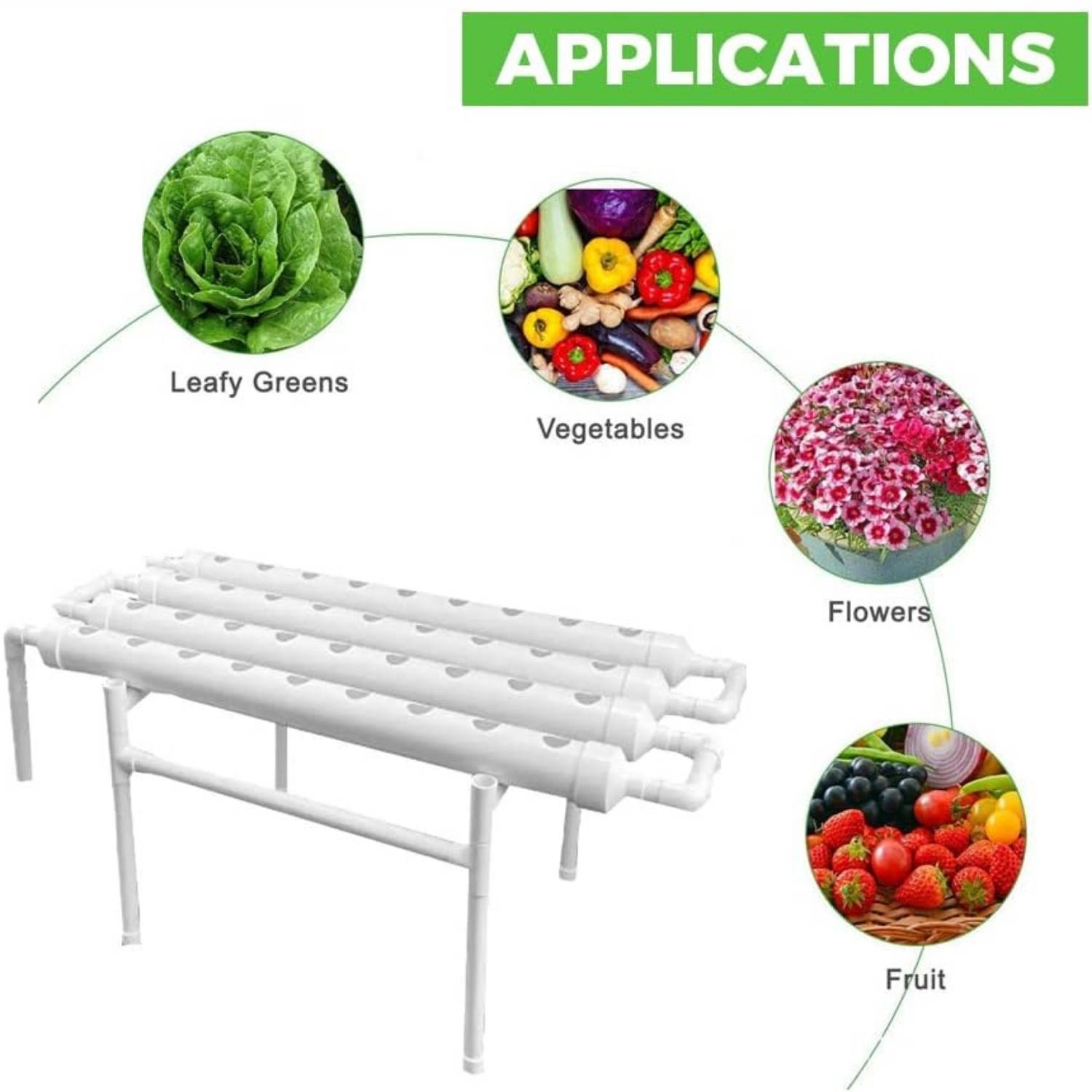
The 36 individual growing stations accommodate diverse plant selections, from leafy greens and herbs to flowering plants. Design your personalized garden layout by selecting and positioning your preferred varieties to suit your taste and space.
best hydroponic growing system
best indoor hydroponic garden
best hydro grow system
best lettuce hydroponics
best vertical hydroponic garden
best hydro kits
best indoor garden system
best hydroponics kit
best indoor hydro garden

Frequently Asked Questions

australian hydroponics equipment company near me
  • HOW DO I KNOW IF MY ORDER HAS BEEN SHIPPED?

    Once your order is shipped, it will be marked as complete in our database and you will receive a confirmation email with a tracking number.

  • WHAT ARE YOUR DELIVERY OPTIONS AND HOW LONG WILL IT TAKE?
    • AUSTRALIA: Free delivery, 5-7 days
    • Other countries: Free delivery, 7-10 days

    OUR DELIVERY PARTNERS

    australian delivery partners
  • WHICH PAYMENT METHODS ARE ACCEPTED?

    We currently only accept credit card payments, PayPal & Crypto currency. More payment methods will be added in the future.

  • WHAT CURRENCY ARE THE PRICES DISPLAYED IN?

    All of our prices are displayed in $AUD - Australian Dollars & include GST

  • I HAVEN'T RECEIVED MY ORDER YET! IS IT LOST?

    If you have any concerns with your order, please contact our support team by email and they will be glad to assist you. Most emails are answered within 1 business day.

    Support Team: theteam@customersupport.care

  • DO YOU HAVE A SHOP LOCATION?

    We are a “online supplier”, with no physical shop or premises. In this way, we are able to pass our considerable savings directly to you.

  • DO I GET A RECEIPT FOR MY ORDER?

    You will be sent a receipt for your order by email after payment is made. You will also receive a confirmation email with a tracking number once your item has been shipped.

FAQ List

No FAQs found. Please select the appropriate Filtering options

The Complete Guide to Hydroponics Growing Systems: Transform Your Australian Garden with Professional Hydro Kits

Have you ever wondered why professional farmers are ditching traditional soil-based growing for something that looks straight out of a sci-fi movie? Welcome to the world of hydroponics – where plants grow faster, healthier, and more abundantly without ever touching dirt. If you’re an Australian gardener looking to revolutionize your growing game, you’ve landed in exactly the right place.

At Hydroponics Company Australia, we’ve witnessed firsthand how the right hydroponics growing system can transform a tiny balcony into a thriving food forest, or turn a spare room into your family’s personal grocery store. But here’s the thing – choosing the perfect hydroponics kit isn’t just about picking the shiniest option. It’s about understanding your space, your goals, and what actually works in our unique Australian climate.

What is a Hydroponics Growing System and Why Should You Care?

Think of hydroponics as giving your plants a first-class ticket instead of making them hitchhike through soil. In traditional gardening, plants spend enormous amounts of energy developing extensive root systems to hunt for nutrients scattered throughout the soil. With a hydroponics growing system, we deliver those nutrients directly to the roots in a perfectly balanced, easily accessible form.

This isn’t some newfangled trend either. The Hanging Gardens of Babylon? Hydroponic. NASA’s space stations? You guessed it – hydroponic. We’re talking about a growing method that’s been feeding civilizations for millennia and is now feeding astronauts in zero gravity.

The Science Behind Hydroponic Success

When plants don’t have to work overtime searching for food, they can focus all their energy on what we actually want – producing those delicious tomatoes, crisp lettuce, or aromatic herbs. It’s like the difference between hunting for your dinner and having it delivered to your door. Which scenario leaves you with more energy for other activities?

The magic happens in the root zone. In soil, roots can suffocate, get waterlogged, or struggle in poor-draining clay. But in a well-designed hydroponic system, roots get exactly the right amount of oxygen, water, and nutrients at precisely the right time. It’s plant paradise, and the results speak for themselves.

Why Hydroponics Kits Are Perfect for Australian Conditions

Australia’s diverse climate zones – from tropical Darwin to temperate Melbourne – create unique challenges for traditional gardening. Droughts, floods, extreme heat, and unpredictable weather patterns can turn your garden dreams into nightmares faster than you can say “El Niño.”

This is where hydro kits shine brighter than a Queensland summer. They give you complete control over your growing environment, regardless of what Mother Nature decides to throw your way. Having a scorching 45°C day in Adelaide? Your hydroponic vegetables are chilling in their climate-controlled environment. Experiencing another Brisbane flood? Your plants are safely elevated and protected.

Water Efficiency: A Game-Changer for the Driest Continent

Here’s a mind-blowing fact: hydroponics uses up to 90% less water than traditional soil gardening. For a country where water restrictions are as common as Bunnings sausage sizzles, this efficiency isn’t just impressive – it’s essential.

How does this water wizardry work? Simple – the water in your hydroponic system gets recycled continuously. Instead of watering your plants and watching 70% of that water drain away into the ground or evaporate, your hydroponics kit captures, reuses, and maximizes every precious drop.

Types of Hydroponics Growing Systems: Finding Your Perfect Match

Not all hydroponics systems are created equal, and choosing the wrong type is like buying a surfboard for skiing – technically it might work, but you’re missing the point entirely. Let’s break down the main types so you can find your perfect hydroponic soulmate.

Deep Water Culture (DWC): The Beginner’s Best Friend

If hydroponics systems were cars, Deep Water Culture would be the reliable family sedan – not the flashiest option, but incredibly dependable and perfect for beginners. Your plants sit in net pots with their roots dangling directly into oxygenated nutrient solution. It’s beautifully simple, incredibly effective, and nearly impossible to mess up.

DWC systems are particularly brilliant for growing leafy greens like lettuce, spinach, and kale. The constant access to nutrients means these plants grow so fast you’ll think someone hit the fast-forward button on nature.

Nutrient Film Technique (NFT): The Efficiency Expert

Picture a gentle stream flowing past the roots of your plants, delivering nutrients in a continuous, thin film. That’s NFT in a nutshell. This system uses gravity and a slight slope to keep nutrient solution flowing past root systems, creating perfect conditions for rapid growth.

NFT systems are the marathon runners of the hydroponic world – they’re incredibly efficient with both water and nutrients, making them popular with commercial growers and serious hobbyists alike.

Ebb and Flow (Flood and Drain): The Versatile Performer

Like the tide coming in and out, ebb and flow systems periodically flood your plant containers with nutrient solution before draining it back to the reservoir. This cycling gives roots access to both nutrients and oxygen, creating an ideal growing environment for a wide variety of plants.

Think of it as interval training for your plants – periods of intense feeding followed by rest and oxygenation. This system handles everything from delicate herbs to heavy-feeding fruiting plants like tomatoes and peppers.

Drip Systems: The Precision Tool

Drip systems deliver nutrients directly to each plant through individual drip lines, giving you surgical precision over feeding. It’s like having a personal nutritionist for each plant, delivering exactly what they need, when they need it.

These systems excel with larger plants that have longer growing cycles. They’re particularly popular for growing fruit trees, large tomato plants, and other substantial crops that need consistent, controlled feeding.

Essential Components of Professional Hydro Kits

Ever wondered what separates a professional-grade hydroponics kit from a plastic container with holes punched in it? The difference lies in the details, and understanding these components will help you make smarter purchasing decisions.

The Heart: Pumps and Circulation Systems

Your pump is like the heart of your hydroponic system – it keeps everything flowing smoothly. A quality pump ensures consistent nutrient delivery, proper oxygenation, and system reliability. Cheap pumps are like cheap shoes – they might work initially, but they’ll let you down when you need them most.

Look for pumps with adjustable flow rates, energy efficiency ratings, and proven reliability records. Remember, your pump failure means plant failure, so this isn’t the component to compromise on.

The Brain: pH and Nutrient Monitoring

Plants are picky eaters with very specific preferences. Too acidic or too alkaline, and they’ll refuse to absorb nutrients, no matter how perfect everything else is. Quality hydro kits include pH meters, EC/TDS meters, and sometimes even automated monitoring systems that take the guesswork out of plant nutrition.

Modern monitoring systems can send alerts to your phone when pH drifts out of range or nutrient levels need adjusting. It’s like having a plant nutritionist working 24/7 to keep your garden optimized.

The Foundation: Growing Media and Support

While hydroponic plants don’t grow in soil, they still need something to support their root systems and provide stability. Growing media like expanded clay pebbles, rockwool, or coco fiber provide this support while allowing excellent drainage and root oxygenation.

The best growing media holds just enough moisture to keep roots happy while draining excess water quickly. It’s the Goldilocks principle – not too wet, not too dry, but just right.

Choosing the Right Hydroponics Kit for Your Australian Space

Selecting the perfect hydroponics kit is like choosing a life partner – it needs to fit your lifestyle, match your goals, and work with your space constraints. Let’s walk through the decision-making process step by step.

Space Assessment: Making the Most of What You Have

Before falling in love with that massive 50-plant system, take an honest look at your available space. A small apartment balcony has different requirements than a suburban garage or dedicated grow room. The key is maximizing productivity within your constraints, not cramming the biggest system into the smallest space.

Consider vertical growing options for small spaces – modern hydroponic towers can produce the same yield as traditional gardens while using just a fraction of the floor space. It’s like getting a penthouse apartment for the price of a studio.

Plant Selection: Matching System to Crops

What you want to grow should drive which system you choose, not the other way around. Planning to focus on leafy greens and herbs? A DWC or NFT system would be perfect. Dreaming of homegrown tomatoes and peppers? You’ll need something more robust like an ebb and flow or drip system.

Different plants have different nutritional needs, growth patterns, and space requirements. A system optimized for lettuce might struggle with heavy-feeding tomatoes, while a system designed for large fruiting plants might be overkill for herbs.

Budget Considerations: Investment vs. Running Costs

Here’s where many beginners make expensive mistakes – they focus only on the upfront cost and ignore ongoing expenses. A cheap system that wastes nutrients, breaks down frequently, or produces poor yields isn’t actually saving money.

Consider the total cost of ownership: initial purchase price, ongoing nutrient costs, electricity usage, replacement parts, and potential crop value. Sometimes spending more upfront saves significant money over time.

Setting Up Your Hydroponics Growing System: A Step-by-Step Guide

Ready to get your hands dirty (metaphorically speaking, since there’s no dirt involved)? Setting up your first hydroponic system might seem daunting, but it’s actually more straightforward than assembling IKEA furniture – and the results are much more rewarding.

Location, Location, Location

Your system’s location determines 80% of your success, so choose wisely. You need adequate lighting (natural or artificial), temperature control, ventilation, and easy access to water and electricity. It’s like real estate for plants – location matters more than almost anything else.

Avoid areas with extreme temperature fluctuations, limited air circulation, or inadequate drainage. Your plants will thank you with faster growth and higher yields when they’re in an optimal environment.

Assembly and Initial Setup

Modern hydro kits are designed for easy assembly, but taking your time during setup pays dividends later. Follow instructions carefully, double-check all connections, and test your system before adding plants. A small leak discovered during testing is a minor inconvenience; the same leak discovered after your plants are established is a disaster.

Pay special attention to pump placement, tubing routing, and reservoir positioning. These components need to work together seamlessly for months or years, so getting them right initially saves countless headaches later.

Nutrient Solution Preparation

Mixing your first nutrient solution is like cooking your first meal – intimidating at first, but surprisingly simple once you understand the basics. Start with quality water (filtered or distilled if your tap water is heavily treated), add nutrients according to manufacturer instructions, and adjust pH to the optimal range for your chosen plants.

Most vegetables prefer slightly acidic conditions (pH 5.5-6.5), while some plants like different ranges. Your nutrient supplier should provide specific guidelines for optimal pH and nutrient concentrations.

Hydroponic System Comparison Table

System Type Difficulty Best For Water Usage Maintenance Initial Cost Space Efficiency
Deep Water Culture Beginner Leafy Greens Low Low Low Medium
Nutrient Film Technique Intermediate Herbs & Greens Very Low Medium Medium High
Ebb and Flow Intermediate Mixed Vegetables Medium Medium Medium Medium
Drip Systems Advanced Large Plants Medium High High Low
Vertical Towers Beginner Small Plants Low Low Medium Very High
Aeroponics Expert All Plants Very Low Very High Very High High

Maximizing Yields: Advanced Tips from Australian Growers

Once you’ve mastered the basics, these advanced techniques can transform your hydroponic garden from good to extraordinary. These aren’t just theoretical concepts – they’re battle-tested strategies used by successful Australian growers.

Nutrient Cycling and Optimization

Plants don’t eat the same meal every day, so why feed them the same nutrients constantly? Advanced growers use different nutrient formulations for different growth stages – lighter feeding during germination and early growth, heavier feeding during flowering and fruiting, and specialized formulations for specific crops.

Think of it like personal training for plants – you wouldn’t use the same workout routine for a marathon runner and a weightlifter, so why use the same feeding schedule for lettuce and tomatoes?

Environmental Control Mastery

Temperature, humidity, and air circulation work together to create optimal growing conditions. Small adjustments in these factors can dramatically impact plant health and productivity. Most Australian growers find that slightly lower nighttime temperatures (5-10°C drop) actually improve plant performance and fruit quality.

Humidity control is particularly important in coastal areas where high humidity can encourage fungal problems, while inland areas might need humidity supplementation during dry periods.

Lighting Optimization for Australian Conditions

Australia’s intense sunlight is both a blessing and a curse for hydroponic growers. While outdoor systems can leverage our abundant sunshine, indoor growers need to understand how to supplement natural light effectively without creating heat problems.

Modern LED systems offer unprecedented control over light spectrums, intensity, and timing. You can literally fine-tune the light your plants receive for optimal photosynthesis and plant development.

Common Mistakes to Avoid (And How Hydroponics Company Australia Can Help)

Even experienced gardeners make rookie mistakes when transitioning to hydroponics. Learning from others’ errors saves time, money, and frustration – not to mention saving your plants from unnecessary stress.

The pH Rollercoaster

pH swings are like emotional rollercoasters for plants – dramatic ups and downs stress them out and reduce productivity. New growers often overcorrect pH problems, creating bigger swings than the original issue. Small, gradual adjustments are always better than dramatic corrections.

Quality pH meters and automated dosing systems eliminate most pH problems before they start. It’s like having cruise control for your nutrient solution – set it and let technology handle the details.

Nutrient Concentration Confusion

More isn’t always better, especially with plant nutrition. Over-feeding plants is like force-feeding a person – it creates more problems than it solves. Plants have optimal nutrient ranges, and exceeding these ranges can lock out other nutrients or burn root systems.

Start with manufacturer recommendations and adjust based on plant response. Healthy, vigorous growth with good color indicates proper nutrition. Burned leaf tips, stunted growth, or unusual coloration suggests nutrient problems.

Ignoring System Maintenance

Hydroponic systems require regular maintenance to function optimally. Neglecting pump cleaning, reservoir changes, or pH monitoring is like ignoring car maintenance – small problems become expensive disasters over time.

Establish a maintenance schedule and stick to it religiously. Weekly system checks, monthly deep cleaning, and quarterly component replacement keep systems running smoothly year after year.

Seasonal Growing in Australian Climates

Australia’s diverse climate zones create unique opportunities and challenges for hydroponic growers. Understanding how to adapt your growing strategies for different seasons maximizes productivity year-round.

Summer Strategies: Beating the Heat

Australian summers can be brutal on both plants and hydroponic systems. High temperatures stress plants, increase water consumption, and can damage system components. Successful summer growing requires proactive cooling strategies and heat-tolerant plant varieties.

Consider installing cooling systems, choosing heat-resistant varieties, and adjusting growing schedules to avoid peak heat periods. Many growers find that starting summer crops earlier in the season leads to better establishment before extreme temperatures arrive.

Winter Opportunities: Extending the Growing Season

While traditional gardens shut down in winter, hydroponic systems can maintain production year-round with proper planning. Greenhouse integration, heating systems, and cold-tolerant varieties keep fresh food on your table regardless of outside conditions.

Winter growing often produces superior quality in many crops – cooler temperatures slow growth slightly but improve flavor concentration and reduce pest pressure.

Transitional Seasons: Maximizing Prime Growing Periods

Spring and autumn offer ideal growing conditions for most Australian regions. These seasons provide moderate temperatures, consistent humidity, and excellent natural lighting conditions. Planning your crop rotations around these prime periods maximizes both yield and quality.

Use transitional seasons to start long-term crops, establish perennial plants, and perform major system maintenance or upgrades.

Troubleshooting Common Hydroponic Problems

Even the best-planned hydroponic systems occasionally develop problems. Quick identification and correction of issues prevents minor problems from becoming major disasters. Here’s your troubleshooting guide for the most common challenges.

Nutrient Deficiencies: Reading Plant Signals

Plants communicate their nutritional needs through visual cues – you just need to learn their language. Yellowing older leaves often indicate nitrogen deficiency, while purple stems might suggest phosphorus problems. Brown leaf edges typically point to potassium deficiency or salt buildup.

The key is systematic observation and gradual corrections. Take photos of problem plants to track improvement over time, and maintain detailed records of nutrient adjustments.

Root Problems: The Foundation of Plant Health

Healthy roots equal healthy plants, so root problems require immediate attention. Brown, slimy, or foul-smelling roots indicate serious issues that can quickly spread throughout your system.

Root rot, the most serious root problem, usually results from poor oxygenation, high temperatures, or contaminated water. Prevention through proper system design and maintenance is much easier than treatment after problems develop.

Pest Management in Hydroponic Systems

While hydroponic systems reduce many traditional gardening pests, they can still experience problems with aphids, spider mites, and fungus gnats. The closed environment of most hydroponic systems makes early detection and quick response critical.

Integrated pest management combining physical barriers, beneficial insects, and targeted treatments provides effective control without compromising food safety or system health.

The Economics of Hydroponic Growing: ROI Analysis

Is hydroponic growing financially viable for home gardeners? The answer depends on your goals, growing scale, and local food prices, but many Australian growers find that quality hydro kits pay for themselves within the first year.

Initial Investment Breakdown

A quality starter hydroponic system suitable for a family of four typically costs between $500-1500, depending on size and features. This includes the growing system, initial nutrients, pH testing equipment, and basic tools. While this might seem expensive compared to a packet of seeds, consider the ongoing production value.

Professional-grade systems cost more initially but often provide better reliability, higher yields, and lower operating costs over time. It’s like buying quality tools – the upfront investment pays dividends through years of reliable service.

Ongoing Operating Costs

Monthly operating costs for most home systems range from $30-80, covering nutrients, electricity, and water. This might seem high until you compare it to grocery store prices for organic, locally-grown produce.

A single hydroponic lettuce plant produces multiple harvests over its growing cycle, potentially yielding $15-20 worth of grocery store equivalent produce. Multiply this by 20-30 plants, and the economics become very attractive.

Intangible Benefits: Beyond Dollar Values

Financial returns only tell part of the story. Hydroponic growing provides food security, educational opportunities, stress relief, and the satisfaction of producing your own fresh, healthy food. These benefits are difficult to quantify but add significant value to the overall investment.

Many growers report that the hobby aspect alone justifies their investment – it’s engaging, rewarding, and provides a constructive way to spend time while producing something valuable.

Future Trends in Australian Hydroponics

The Australian hydroponic industry continues evolving rapidly, driven by technological advances, changing consumer preferences, and environmental concerns. Understanding these trends helps make informed decisions about system investments and growing strategies.

Automation and Smart Systems

Internet-connected hydroponic systems that monitor and adjust growing conditions automatically are becoming more affordable and reliable. These systems can send alerts to your smartphone, adjust nutrient levels based on plant needs, and even order replacement supplies automatically.

While full automation isn’t necessary for successful growing, selective automation of routine tasks like pH adjustment and nutrient dosing can significantly improve results while reducing time investment.

Sustainable Growing Practices

Environmental sustainability increasingly influences hydroponic system design and operation. Solar-powered systems, rainwater collection, and organic nutrient sources are becoming more common as growers seek to minimize their environmental footprint.

LED lighting efficiency improvements continue reducing electricity consumption, while new nutrient formulations maximize plant uptake while minimizing waste.

Community and Commercial Integration

Hydroponic growing is expanding beyond individual hobbyists to include community gardens, school programs, and local food production initiatives. This broader adoption drives innovation, reduces costs, and creates support networks for new growers.

Commercial partnerships between equipment suppliers and local food businesses are creating new opportunities for small-scale commercial growing, potentially turning your hobby into a supplemental income source.

Why Choose Hydroponics Company Australia for Your Growing Journey

Selecting the right supplier for your hydroponic adventure is like choosing a travel guide for exploring new territory – you want someone knowledgeable, experienced, and committed to your success. Hydroponics Company Australia brings decades of combined experience helping Australian growers achieve their goals.

Local Expertise for Australian Conditions

Understanding how hydroponic systems perform in Australian conditions requires local experience that international suppliers simply can’t provide. Our team has tested equipment across different climate zones, identified the most reliable components, and developed growing strategies specifically for Australian conditions.

This local knowledge translates into better system recommendations, more accurate growing advice, and faster problem resolution when issues arise.

Comprehensive Support Beyond the Sale

Purchasing a hydroponic system is just the beginning of your growing journey. Ongoing support, troubleshooting assistance, and growing advice determine your long-term success. Our commitment extends far beyond the initial sale to include lifetime support for your growing goals.

Whether you need help diagnosing plant problems, optimizing nutrient formulations, or upgrading your system for increased production, our team provides the expertise you need to succeed.

Quality Products at Fair Prices

We carefully curate our product selection to include only systems that meet our strict quality and reliability standards. While we’re not always the cheapest option, we consistently provide the best value through superior products, comprehensive support, and guaranteed satisfaction.

Our bulk purchasing power allows us to offer professional-grade equipment at prices that individual growers couldn’t achieve independently, while our local inventory means faster delivery and readily available spare parts.

Getting Started: Your Next Steps

Ready to transform your growing game with professional hydroponics? The journey from curious gardener to confident hydroponic grower doesn’t happen overnight, but with the right guidance and quality equipment, success is absolutely achievable.

Assessment and Planning

Start by honestly assessing your space, goals, and commitment level. A small countertop herb system might be perfect for testing the waters, while dedicated growers might jump directly into larger systems. There’s no wrong starting point – only systems that match or don’t match your specific situation.

Consider starting with a beginner-friendly system and expanding as your experience and confidence grow. Many successful commercial growers started with simple DWC systems in spare bedrooms or garages.

Education and Community

Join hydroponic growing communities, both online and locally. Experienced growers are generally eager to share knowledge, troubleshooting tips, and variety recommendations. Learning from others’ experiences accelerates your own learning curve significantly.

Subscribe to hydroponic publications, follow reputable YouTube channels, and attend local growing events when possible. The more you learn, the more successful and enjoyable your growing experience becomes.

Taking Action

The best hydroponic system is the one you actually use, not the perfect system you never start. Begin with a quality starter system, learn the basics through hands-on experience, and expand your setup as your knowledge and confidence grow.

Contact Hydroponics Company Australia today to discuss your specific growing goals and space constraints. Our team can recommend the perfect system to start your hydroponic journey and provide ongoing support to ensure your success.

Conclusion

The world of hydroponic growing offers incredible opportunities for Australian gardeners willing to embrace innovation and efficiency. Whether you’re looking to supplement your grocery budget, ensure food security for your family, or simply enjoy the satisfaction of growing your own fresh, healthy produce, a quality hydroponics growing system can transform your relationship with food production.

The key to success lies in choosing the right hydroponics kit for your specific situation, understanding the fundamentals of plant nutrition and environmental control, and partnering with experienced suppliers who can guide your journey from beginner to expert grower. While the initial learning curve might seem steep, the rewards – fresh food year-round, water efficiency, space optimization, and the pure satisfaction of successful growing – make the investment of time and money worthwhile.

Modern hydro kits have eliminated most of the complexity that once made hydroponics intimidating for beginners. Today’s systems are user-friendly, reliable, and designed for success regardless of your previous growing experience. The combination of Australian ingenuity, advanced growing technology, and our unique climate conditions creates perfect opportunities for hydroponic success.

As you embark on your hydroponic growing journey, remember that every expert was once a beginner. Start with quality equipment, educate yourself continuously, and don’t be afraid to experiment and learn from both successes and mistakes. Your future self – enjoying fresh, homegrown produce regardless of season or weather conditions – will thank you for taking this exciting step toward food independence and sustainable living.

The question isn’t whether hydroponics can work for you – it’s which system will work best for your unique situation. With the right equipment, proper guidance, and commitment to learning, your hydroponic garden can become one of your most rewarding and productive investments.